 Call Us Today: 01772 422777
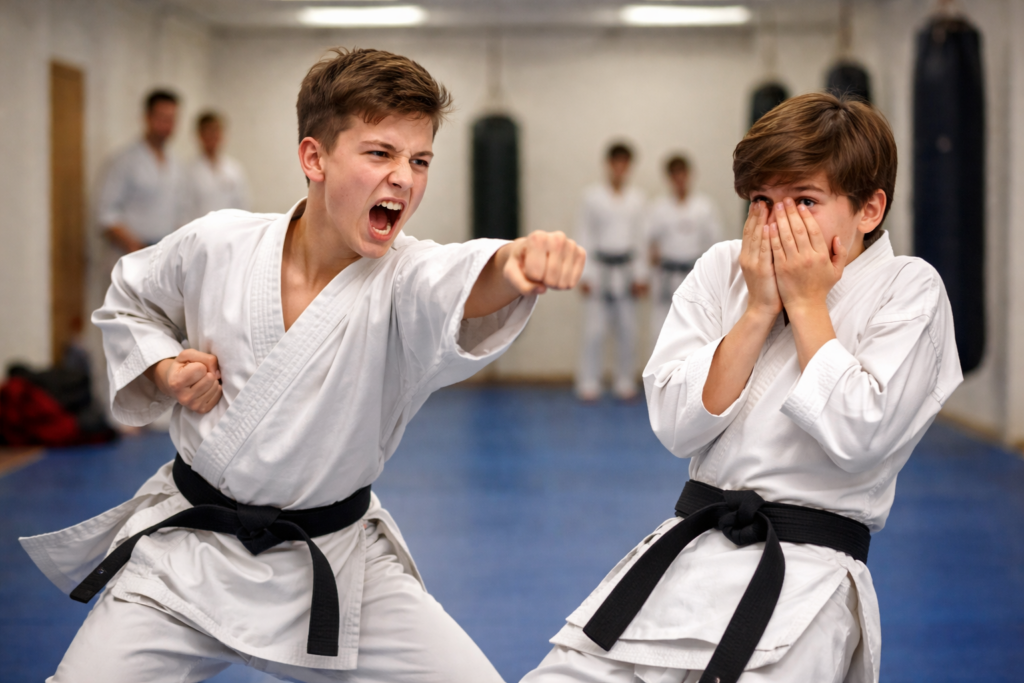
Courage is one of those qualities we admire instantly—yet we rarely stop to define it properly. Courage isn’t the absence of fear. It’s what happens when fear shows up… and you take the next step anyway. In real life, that “next step” might be speaking up in a meeting, starting over after a setback, setting a boundary, or simply trying something new when your confidence feels low.
Here’s a not-so-common truth: courage is more like a muscle than a personality trait.
The more you use it, the stronger and more natural it becomes. Another overlooked point? Courage isn’t always loud.
Sometimes it’s quiet and steady—choosing patience instead of anger, choosing consistency instead of comfort, choosing effort when nobody is watching. That kind of courage builds integrity, and integrity builds a life you feel proud of.
The Benefits of Courage for Adults
For adults, courage shows up in everyday moments that shape careers, relationships, and wellbeing. Courage helps you:
- Handle pressure more calmly because you’ve practised acting despite nerves.
- Make better decisions instead of defaulting to what’s easiest or safest.
- Build confidence through evidence—every brave action becomes proof you can cope.
- Communicate more effectively, especially when conversations are awkward but necessary.
- Grow resilience, because courageous people recover faster; they don’t avoid discomfort, they learn from it.
Courage also strengthens mental fitness. When you repeatedly face manageable challenges, your brain becomes less reactive to stress. You start seeing obstacles as something you can train for—not something that controls you.
The Benefits of Courage for Children
For children, courage is a life skill that affects school, friendships, and self-esteem. Courage helps children:
- Try new things without needing instant perfection (a huge confidence-builder).
- Cope with mistakes instead of feeling crushed by them.
- Stand up to peer pressure and make independent choices.
- Speak up when something feels wrong or unfair.
- Develop emotional strength, learning that feelings are real—but they don’t have to be in charge.
Children who practise courage early often develop a stronger “I can handle it” mindset, which supports them far beyond the classroom.
How Tang Soo Do Instils Courage
Traditional martial arts like Tang Soo Do are powerful because they teach courage in a structured, safe, progressive way.
At Leyland Family Martial Arts Centres students aren’t thrown into overwhelming situations—they’re guided through challenges that expand their comfort zone step by step.
Courage is trained through:
- Respectful discipline: You learn to show up even on days you don’t feel like it.
- Gradual pressure: New skills, new partners, new drills—each one builds bravery through experience.
- Measured challenge: The belt system gives achievable milestones, turning fear into focused effort.
- Facing failure safely: Missing a technique or struggling in class becomes normal—and survivable.
- Controlled sparring and self-defence: Students learn to stay calm, think clearly, and act with confidence.
Perhaps most importantly, Tang Soo Do teaches that courage is not reckless behaviour—it’s responsible action. It’s the ability to remain respectful, focused, and determined when things feel difficult.
Courage changes lives because it changes what you believe you’re capable of. And once you start proving it to yourself in training, you begin taking that same strength into the rest of your life—at work, at school, and at home.
If you would like to speak with an instructor to find out more please call 01772 422777 or leave your details.